Butternut Squash Quinoa Risotto with Baby Kale , Goat Cheese & Roasted Walnuts

This has got to be one of my most favorite dishes I have made yet! It’s like a creamy, savoury custard. The squash, cheese & kale melt in your mouth while the quinoa & walnuts give it perfect texture. Besides baking the squash, this is a quick, nutrient dense, one-pot meal.

Ingredients:

– 1 butternut squash, baked
– 1/2 onion, chopped
– 1 C quinoa
– 2 C organic vegetable broth
– 1 C chopped baby kale (if you don’t have, use baby spinach)
– 1 Tbsp sage
– 1/4 tsp cayenne pepper
– sea salt to taste
– 1 pkg (113 g) soft, goat cheese
– handful roasted walnuts

Directions:

1.Preheat oven to 400F. Cut butternut squash in half and place on a cookie sheet with 1/2 inch of water. Add a tsp of coconut oil in each half. Bake for 45 min. or until squash is soft.
2.Heat a few Tbsp of coconut oil in a medium size pot & saute the onion.
3.Rinse off quinoa in cold water then add to pot, saute a few minutes with onion then add the veggie broth, sage & cayenne. Bring to a boil then reduce heat & simmer for 15 min.
4.Once broth is almost evaporated, fold in baby kale or spinach and goat cheese. PLace lid back on to soften the kale.
5.When squash is soft & done, take out of the oven and carefully scoop into pot.
6.Add salt to taste
7.Sprinkle with roasted walnuts

Enjoy!

Posted in Recipes | 1 Comment

Roasted Vegetable Pasta With Feta Cheese

This is one of my staples! Slice eggplant into 1/4 inch rounds, brush with olive oil, lay on baking sheet and bake for 8-10 min., turning over as needed. Chop zucchini, red & yellow peppers, cherry tomatoes & portabella mushrooms. Toss with olive oil, minced garlic, lots of fresh herbs (basil, cilantro, parsley) chili flakes & salt & pepper to taste. Roast in oven at 450F, stirring a few times. While the veggies are roasting, boil your pasta-any kind but white!  When veggies are done, toss with pasta, crumble in feta cheese. Optional, saute sundried-tomato veggie sausage in coconut oil and fold into pasta. Garnish with kalamata olives and a little bit of fresh squeezed lemon.

Posted in Fitness | Leave a comment

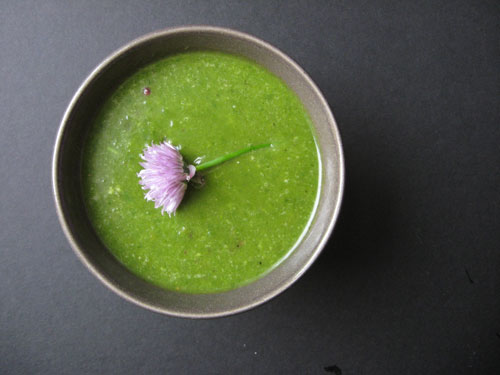
Green Miso Soup

Ingredients:

2 tbsp coconut oil
3-4 garlic cloves, minced
1/4 tsp chili flakes
4 cups organic veggie broth
4 cups chard leaves ( trim off and reserve ribs)
3 heaping tbsp brown rice miso paste

Directions:

1. Warm oil in a pot over medium-high heat. Add garlic & chili flakes, saute for a few minutes. Add chard ribs & continue to saute.
2. Add the veggie broth and bring to a simmer.
3. Add the chard leaves, cook for 3 minutes.
4. Add the miso and transfer mixture to blender ( I let cool off a little bit before I blend to avoid explosions!). Carefully blend until smooth.

I had this delicious & nutritious soup with a few pieces of ancient grains toast with avocado on top, so nourishing!

Posted in Recipes | Leave a comment

Rich And Tasty Lasagna With Grilled Vegetables And Sundried Tomatoes

I had never tried making lasagna before as it always seemed like such a daunting task, today was my first time! I recommend having no deadline as well as snacks for in-the-meantime, when you make this dish-that way it is so much more of a joy to do. I took the day and slowly made it happen, enjoying every minute of it. Especially assembling the lasagna, it felt like an art piece! We ended up having a few friends over and as the room filled with the savoury smell of the different vegetables, herbs and cheeses marinating together, it turned out to be the most relaxing, un-planned dinner party ever! It was delicious, everyone went for seconds! But to be honest, I think the tastiest part of the lasagna was that It was made with love and as an act of service for my friends 🙂 It truly makes a difference in your quality of food, since everything is a transfer of energy.
I was guided by a recipe from, 'Cooking With Kurma', making a few of my own adjustments.

Select a casserole dish 25cm x 35cm x 8cm ( 10-inches x 14-inches x 3 1/2-nches) deep for this 'Queen of Lasagna'.

The Vegetables:

1 lrg eggplant, sliced into 1/4 inch rings
2 medium zucchinis, sliced lenghwise
3 lrg peppers ( I used red,green & yellow), cut into quarters lengthwise, cored
the leaves from 1/2 bunch of spinach, stalks removed
1/2 C sundried tomatoes, cut into strips

The Tomato Sauce:

1/4 C olive oil
4 chopped garlic cloves
1 C fresh basil, chopped
2 tsp dried oregano
6 C tomato puree
1 tsp salt
1/4 tsp black pepper
1 tsp agave syrup
2 tbsp tomato paste

The Bechamel Sauce:

1/4 stick goat butter (cow butter is fine)
1/4 tsp nutmeg
1/4 tsp back pepper
1/2 C whole wheat flour
4 C warmed almond milk

The Cheese:

3 1/2 C grated cheddar cheese
2 C grated mozarella cheese
1/2 C grated parmesan cheese, plus 3 tbsp reserved

The Pasta:

500g instant whole wheat lasagna sheets

To pepare the vegetables:

1. Lay the slices of eggplant on an ovenproof flat tray. Lightly coat each side of the eggplant slices with olive oil. Place them under a hot griller and cook on both sides 5-8 minutes, or until the eggplants are fairly tender. Remove and set aside.

2. Set the pepper slices under the grill, skin side up. Grill them 10 minutes or until their skins are blackened. Remove and place them in a plastic bag, and seal the bag. When the peppers are cool, peel the blackened skin off and set aside.

3. place the zucchini slices on the grill and cook both sides 5-8 minutes, or until until tender. Set aside

To prepare the tomato sauce:

Pour the olive oil into a large, heavy-based saucepan over medium heat. When the oil is hot add garlic and saute for a few minutes. Add basil and oregano leaves and saute for another 30 seconds. Pour in the pureed tomatoes, stir to mix and bring to a boil. Add the salt, pepper, agave and tomato paste, reduce heat slightly and cook, uncovered, stirring often for 10-15 minutes, or until it reduces and thickens.

To prepare the bechamel sauce:

Melt the butter in a saucepan over low heat. Stir in the nutmeg, black pepper, and flour, and saute, stirring constantly for about half a minute or until the mixture loosens. Remove the saucepan from the heat, and gradually pour in the warm milk, stirring with a whisk until it is all incorporated and the sauce is smooth. Return the sauce to moderate heat and bring to boil, stirring. Reduce the heat and simmer for about 5 minutes, stirring constantly, until the sauce develops a thick custard-like consistency.

To assemble the lasagna:

1. Combine all 3 cheeses ( except the reserved parmesan). Divide the cheese into 2 portions, the tomato sauce into 3 portions, the bechamel sauce into 4 portions, and the pasta into 5. I found this made the assembly process stress free, it assured me I wouldn’t run out of ingredients.

2. Spread one portion of the tomato sauce on the bottom of the oven-proof casserole dish. Place a portion of the pasta on top. Layer the eggplant and zucchini slices on top of the pasta sheets. Spread on a portion of the bechamel sauce, then another of the pasta. Sprinkle on half the grated cheese.

3. Continue layering as follows: a portion of the tomato sauce, the sundried tomatoes, the pepper slices; another portion of the pasta; another of the bechamel; another of the pasta; then the remaining cheese. Layer the spinach leaves on top of the cheese.

4. Spread the remaining tomato sauce, top with the last pasta sheets and the remaining double portion of the bechamel ( this white sauce layer needs to be thicker than the others). Sprinkle the top with the reserved parmesan cheese, place the lasagna in the top half of a pre-heated 200 degrees C/390 degrees F oven and cook for 45-60 minutes, or until the the top is slightly golden and the pasta yields easily to a knife point. If the lasagna is darkened on top but does not yield fully to knife point, cover the lasagna with aluminum foil in the last 15 minutes of cooking. When the lasagna is done, turn off oven but leave the casserole in the oven with the door ajar for at least 30 minutes to allow the lasagna set.

I had so much fun making this lasagna, it was very satisfying to complete something I felt was seemingly so difficult. It just takes a little time and patience but most importantly enjoy the process 🙂


Posted in Recipes | Leave a comment

Very Inspiring Book …

Very Inspiring...

Posted in Fitness | Leave a comment

Raw Chocolate

Ingredients:

1 cup (100-150g) raw coconut butter
3/4 cup raw cacao powder
4 tbsp agave nectar (or honey)
2 tsp vanilla (orange, mint would be good too)

How to make it:

1. Put coconut butter in a bowl and place in another bowl of hot water, stirring until liquified. Or, I placed the whole jar in a pot of boiled water until softened. Keep the heat low as to not overheat the butter as this will damage the nutritional benefits of the raw chocolate.
2. Stir in other ingredients until smooth.
3. Pour onto a parchment paper lined cookie sheet and pop into freezer for 5-10 mins. Alternatively, you could put mixture into little moulds. I used silicon ice-cube trays.
4. Leave to set in the fridge for 1 – 2 hours or in the freezer for half an hour.

These ar soooo delicious!! You can also try adding chopped nuts and/or dried fruit. I wrapped them in candy foil and placed in little cups and gave as gifts 🙂

Nutritional Benefits:

Raw cacao is very high in antioxidant flavanoids, sulfur and magnesium.

Animal fats have long chain saturated fat, while coconut oil contains healthy, healing, medium chain triglycerides (MCTs). This saturated fat is considered a rare and important building block of every cell in the human body, and can actually reduce cholesterol and heart disease. Coconut oil helps to stimulate the metabolism, so you burn more calories each day, which helps with weight loss and energy levels. As well, coconut oil, like human breast milk, is rich in lauric acid, which boosts immunity and destroys harmful bacteria and viruses. In fact, coconut oil is one of the closest foods on the planet to breast milk.

One of the most health-promoting properties of agave nectar is its favorable glycemic profile. Its sweetness comes primarily from a complex form of fructose called inulin. Fructose is the sugar that occurs naturally in fruits and vegetables. The carbohydrate in agave nectar has a low glycemic index, which provides sweetness without the unpleasant “sugar rush” and unhealthful blood sugar spike caused by many other sugars.

Posted in Recipes | 2 Comments

5 YOGA POSES TO BRING THE BODY BACK INTO BALANCE AFTER A WORKOUT

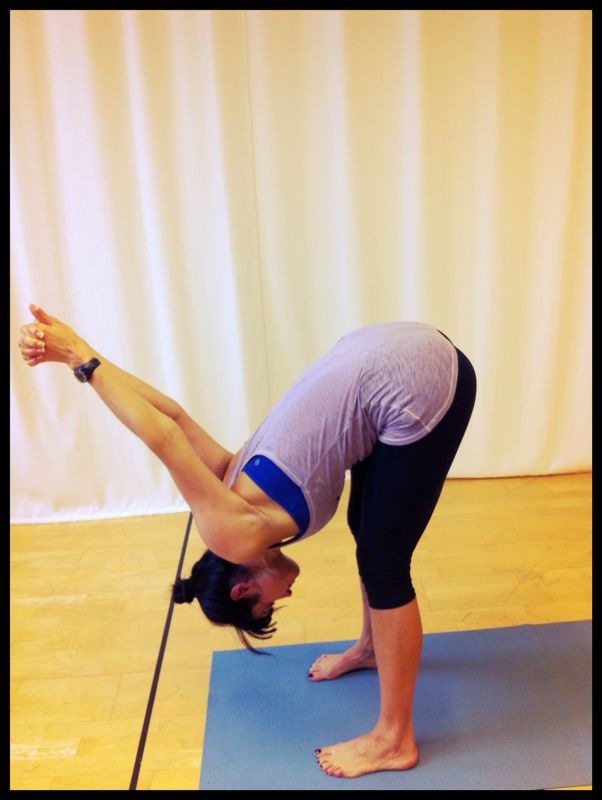
1. Uttanasana- Standing Forward Bend with Shoulder Opener

1. Stand with feet parallel and hip width apart. Inhale reach your arms for the sky. As you exhale clasp your hand behind your back.

2. Inhale lift your shoulders towards your ears. Exhale pull the head of your arms bone back. Inhale press your feet into the earth firmly and grow tall in your spine.

3. Exhale bow forward with a straight spine. Keep knees soft. Let the weight of the head release. Work to keep shoulder blades drawn together on your back. Let interlaced arms release over your head as your heart soften towards the ground.

4. Take 5 deep breaths here and let your head be heavy like it weighs 100 lbs.

Benefits:
• Calms the brain and lets the stressors of the day melt away
• Stimulates the liver and kidneys
• Stretches the hamstrings, calves, and hips
• Releases the muscles of your chest, shoulders and upper back

2. Anjaneyasana- Low Lunge

1. Come into a lunge and drop back knee to the floor resting on padded surface to cushion the knee. Align the front knee with the front ankle. Keep back toes tucked under. Hands rest on front thigh. Inhale lengthen the spine. Exhale let the weight of the pelvis settle.

2. Work with the breath to go deeper.

Benefits:
• Deep hip flexor and thigh opener, which are generally the tightest muscles in active people. I find this an intense, but necessary stretch that feels amazzzing after!
• Good for digestive health.

3. Ardha Agnistambhasana- Half Fire Log Pose

1. Start seated on the floor, legs outstretched.

2. Bend your right knee, placing right foot on the floor.

3. Place your hands behind your hips for support. Cross your left shin over your right knee, creating a figure four.

4. To increase the stretch of your left hip, flex your left foot.

5. Inhale lengthen the spine and lift the heart. Exhale tip the top of the sacrum in.

6. Breathe deep into your hips. As you exhale let the tension release out of your body.

Benefits:
• Stretches the hip. Most people carry tension in their hips from physical activity and sitting at a desk all day.
• Tight hips are related to low back pain. Everyone can benefit from this pose!

4. Ardha Matsyendrasana- Half Lord of the Fishes Pose

1. Sit with legs extended out in front. Cross right leg over left leg. The right knee will point directly up at the ceiling. Press right foot down into the floor. Engage extended left leg by flexing the foot and pressing the back side of left the leg into the floor.

2. Inhale and lengthen your spine. Exhale twist to your right. Initiate the twist from the heart– not from the head. Press the right hand against the floor just behind your right buttock, and set your left upper arm on the outside of your right thigh near the knee. Pull your front torso and inner right thigh snugly together.

3. Inhale lengthen. Exhale to twist deeper. Hold for 5- 10 deep breaths

4. Repeat on other side.

Benefits
• This pose constricts the blood flow to the internal organs, once released there is a serge of fresh blood flow to stimulate the organs which brings well being to the whole body.
• Stretches the shoulders, hips, and neck
• Calms the nervous system after working out–brings the body back into balance.

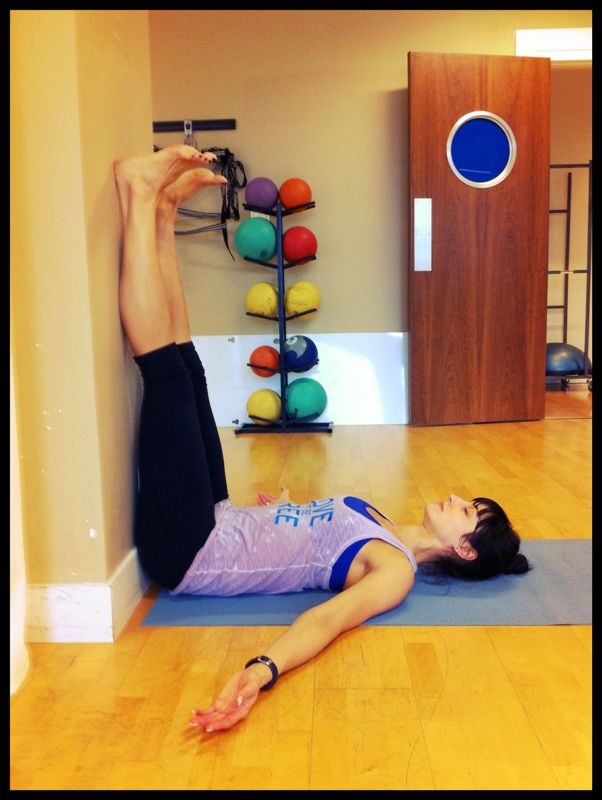
5. Viparita Karani- Legs-Up-the-Wall Pose

1. Sit sideways 5 – 6 inches away from a wall.

2. Lie down on your back. Pivot your body so you can get your legs extended straight up the wall.

3. Take your arms out to the side, palms up. Enjoy for 2-5 minutes.

Benefits:
• Draws fluid from your leg muscles back to your heart
• Gently stretches the back legs, front torso, and the back of the neck
• Calms the mind
• This is my favorite pose as it’s a great way to let the intensity of your hard workout melt away. It brings lightness and brightness back into your body!

Posted in Fitness | Leave a comment

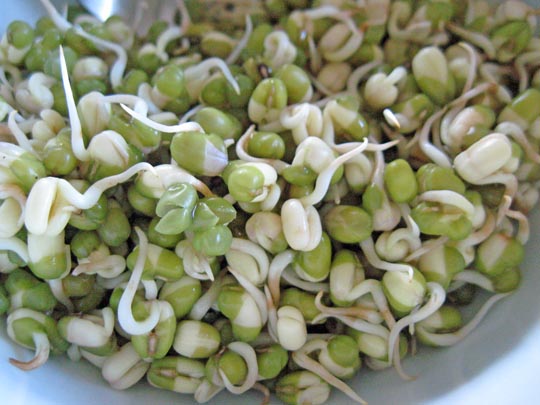
Immune Boosting Sprouted Mung Bean Soup

How to Sprout Mung Beans

1. Take the required amount of beans. I used 1 cup of mung beans. Remember, it will double once sprouted.

2. Wash your beans well in cold water till the water runs clear. Drain and then place them in a bowl or sprouter if you possess one. Fill it with cold water until immersed well. (2 to 3 times as much as the seeds)

3. Soak overnight or at least for 8-12 hours.

4. Drain the water well.

5. Rinse with cold water and drain it again. Repeat this process 3X/day for 2-3 days.

The nutritional content of sprouts is many times greater than the original food value of the seeds and beans from which they sprout. As a seed or bean sprouts, it produces large amounts of extra vitamins, anti-oxidants and enzymes.

Soup Preparation

1. In a large pot saute 3-4 garlic cloves, 1 inch chopped ginger root with 1 jalapano pepper ( I removed the seeds-with gloves!) in coconut oil for 2-3 minutes.

2. Place mung bean sprouts in the pot and fill with water, double the amount of sprouts.

3. Sprinkle 1 tsp of Turmeric into the water. ( The health benefits of turmeric lie in the active ingredient called curcumin. This powerful compound gives turmeric its therapeutic benefits, its yellow color, and its pungent flavour. Curcumin has antioxidant, anti-inflammatory, antibacterial, stomach-soothing, and liver-and heart-protecting effects.)

4. Bring to a boil then simmer until beans are soft.

5. Once beans have cooked, saute 1 tsp of cumin seeds in coconut oil in a large skillet until they darken.

6. As soon as cumin darkens, add 1 Tbsp of ground corriander and quickly stir.

7. Immediately add 2 diced tomatoes, 1/2 diced zucchini, and 2 cups chopped kale.

8. Saute veggies until they are saucy, then add to soup and simmer another few minutes for flavours to mingle.

9. Add salt to taste.

I served over brown rice like a dahl.

Posted in Recipes | Leave a comment

Roasted Butternut Squash Soup

Ingredients

– 1 large butternut squash
– 1/2 cup coconut milk
– 2 cups organic veggie stock
– 2 cups water
– 1 celery stalk, diced
– 1/2 white onions, diced
– 2 carrots, diced
– 1/2 tsp cumin powder (optional)
– 1 tsp red chili flakes (optional)
– 1 tsp paprika
– 2 bay leaves
– salt and pepper to taste
– 1 tsp + 1 tbsp oil

Directions

1. Pre-heat oven to 400′F. Cut the butternut squash in half, and core the middle. Remove all the seeds, brush the butternut squash with 1 tsp oil, and season with salt and pepper. Put about 1 inch of water in a baking dish and bake until soft (about 20 minutes)

2. While the butternut squash is baking, sauté onion, paprika, cumin and remaining oil in a large pot on medium heat (~3-4 minutes). Add celery, carrots, and water and bring to a simmer.

3. Remove butternut squash from the oven, and allow to come to room temperature. Carefully scoop the butternut squash away from the center, throwing away the peel. Add the butternut squash to the pot, along with chili flakes, bay leaves, and veggie stock. Bring to a boil and cook until all the vegetables are tender (~20 minutes). Reduce heat and temper the coconut milk by adding a small amount of the soup base to the milk, then adding the entirety back to the pot. Continue cooking on low heat for 5 minutes.

4. Remove from heat and allow to cool. Remove bayleaves, and carefully puree the soup with a handheld food processor. You can return the soup back to the stove and continue cooking on low, to allow the flavors to develop– the secret to great soup is slow cooking; its just better this way.

[4-6 servings]

Posted in Fitness | Leave a comment

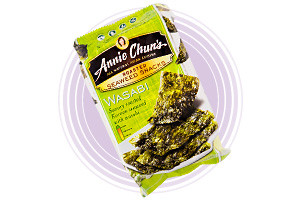
Nori Seaweed Snacks

You can buy nori seaweed snacks in convenient snack size packages. They are a good potato chip alternative and packed with nutrition. Seaweed draws an extraordinary wealth of mineral elements from the sea that can account for up to 36% of its dry mass. The mineral macronutrients include sodium, calcium, magnesium, potassium, chlorine, sulfur and phosphorus; the micronutrients include iodine, iron, zinc, copper, selenium, molybdenum, fluoride, manganese, boron, nickel and cobalt.

Seaweed has such a large proportion of iodine, compared to dietary minimum requirements, that it is primarily known as a source of this nutrient. Iodine is a trace element that is essential for normal growth and development. Around 60% of the iodine in the body is stored in the thyroid gland. Iodine controls the functioning of thyroid glands in the human body, which in turn has a significant influence on the metabolic processes in the body. The health benefits of iodine help in the optimum utilization of calories thereby preventing its storage as excess fats. Other benefits of iodine are removal of toxins from the body and assistance for the system in utilizing calcium and silicon.

Aside from iodine, seaweed is one of the richest plant sources of calcium, higher than a serving of most non-milk based foods. There’s even a little protein in nori, and 40% RDA of vitamin A as beta carotene as well as vitamin K (for blood clotting).

Posted in Recipes | Leave a comment